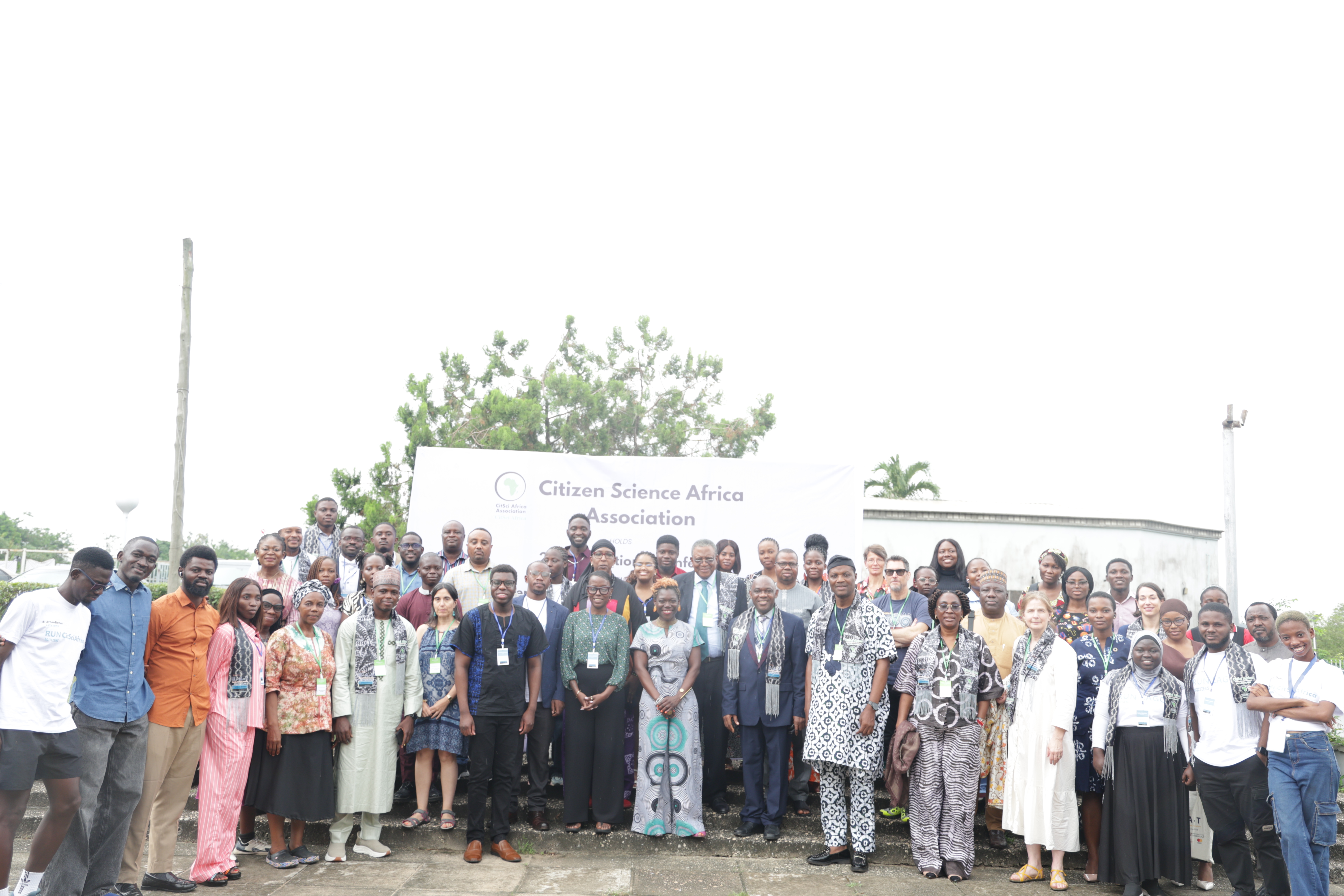
I recently attended the 2nd Citizen Science Africa Conference, held on 2 – 3 July 2026 at the University of Lagos, Nigeria. The conference theme Citizen Science, Technologies and Artificial Intelligence for Africa’s Transformation, provided a strong platform for examining how citizen science can contribute to environmental and urban decision-making across African contexts, particularly where operational realities demand robust methods, credible validation, and responsible data governance.
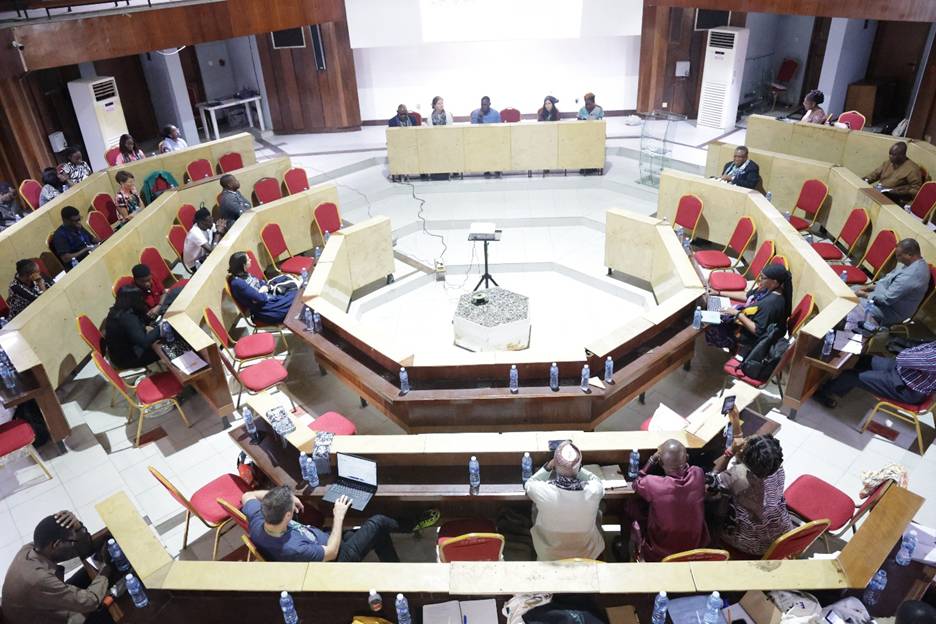
The conference keynote address strengthened this theme, a marvelous presentation by Prof. Tolullah Oni (Clinical Professor, University of Cambridge; Founder/CEO, UrbanBetter) on “Urban Better Cityzens, Health Data, and Technological Infrastructure in Africa” who beautifully connected data infrastructure and technological systems to real-world transformation agendas. Prof. Peter Elias (Professor of Geography, University of Lagos; Co-Chair, CtiSci Africa Association) made a presentation on “UNSD Collaborative on Citizen Data and its Implementation: Beyond Data to Transformative Policies in Africa”.
A central focus of the programme was the idea that citizen science must be understood not only as a means of data collection, but as an evidence co-production process that links communities, technical systems, and institutional uptake. Across plenaries, panel discussions, and technical sessions, participants repeatedly emphasized the importance of methodological and operational frameworks that enable citizen-generated evidence to be harmonized, assessed for quality, and made usable within planning and policy contexts. This framing aligns closely with ExCiteS’s interest, where implementation conditions often intensify questions of trust, access, accountability, and the equitable distribution of burdens and benefits in research and monitoring.
The presentation that I liked most was Prof. Oni’s key note presentation which highlighted Citizen science data as crucial to urban health in low- and middle-income countries as it enables the collection of locally relevant, real-time information on environmental exposures such as air and water quality, biodiversity, and pollution. By creatively engaging community members, especially youth, directly in data gathering, validation through expert verification and technological tools ensures reliability while addressing traditional data gaps in rapidly urbanizing areas. This participatory data generation empowers communities and informs evidence-based policies and interventions to improve planetary and human health in urban settings.
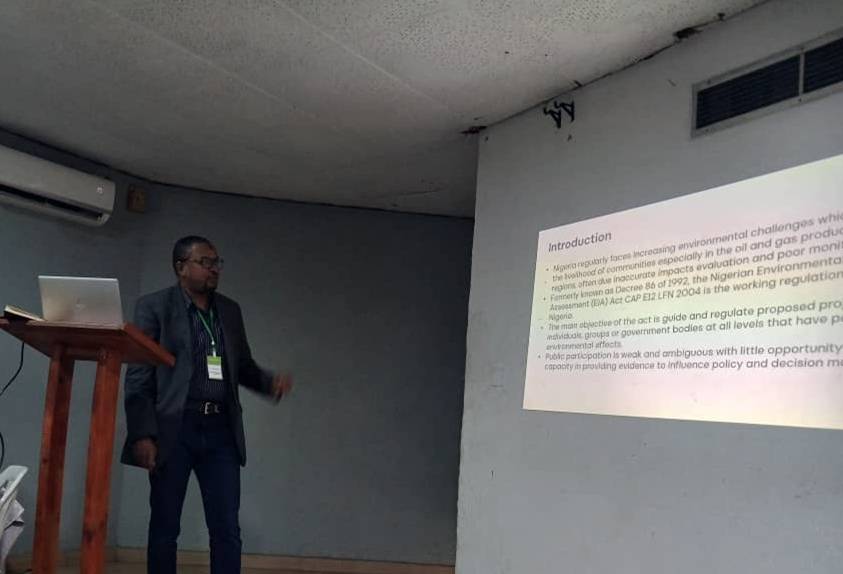
I had the opportunity to pitch my ongoing PhD research work, “Citizen Science in Nigeria’s Environmental Monitoring: Co-creating Evidence through Community Capacity and Data Governance” where I argued that meaningful environmental monitoring through citizen science requires more than community participation, it requires structured co-creation of evidence. Specifically, evidence credibility depends on community capacity, including technical competencies.
Overall, the conference reinforced the importance of connecting citizen science work across environmental and urban domains while keeping governance and legitimacy at the centre. It confirmed that citizen science for Africa’s transformation must be built as an ecosystem integrating people, methods, technologies, and governance into a coherent pathway from local measurement to legitimate and actionable evidence.